
Over the past few years, tax compliance in the GCC has evolved rapidly. The introduction of VAT across multiple countries, followed by corporate tax frameworks, has fundamentally changed how businesses operate. What was once a relatively simple accounting function has now become a strategic responsibility involving finance teams, operations, IT systems, and senior leadership.
Today, VAT compliance in the GCC requires accurate transaction-level data, proper classification of goods and services, timely filings, and complete audit trails. Corporate tax adds another layer, demanding reliable financial records, transparency, and readiness for regulatory review. As a result, tax compliance is no longer something that can be managed effectively with spreadsheets or standalone accounting tools.
Businesses that fail to adapt face real risks:
- Penalties
- Audit delays
- Reputational damage
- Operational disruption.
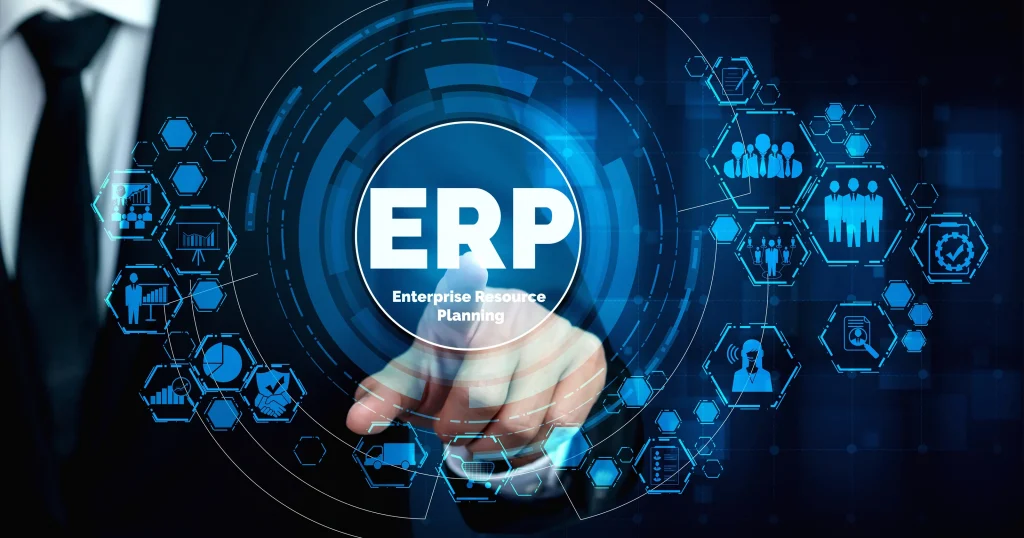
This is why ERP-led compliance has become essential for growing GCC businesses.
VAT and Corporate Tax Challenges Without ERP
Manual Processes and Compliance Risk
Many businesses still rely on spreadsheets, basic accounting software, or disconnected systems to manage VAT and tax reporting. While these tools may work at a small scale, they quickly become unreliable as transaction volumes grow.
Without ERP, businesses often face:
- Manual VAT calculations that increase the risk of errors
- Inconsistent tax treatment across departments or branches
- Missed filing deadlines due to fragmented data
- Heavy reliance on individual employees’ knowledge
These issues not only increase compliance risk but also consume valuable time that finance teams could spend on analysis and planning.
Lack of Audit Trails and Data Transparency
Audits are one of the biggest stress points for finance teams. When financial data is scattered across emails, spreadsheets, and separate systems, responding to audit queries becomes slow and painful.
Auditors typically ask for:
- Transaction history and supporting documents
- Approval records and changes over time
- Clear linkage between invoices, payments, and tax calculations
Without an ERP system, gathering this information is manual, error-prone, and often incomplete, putting businesses at risk during VAT or corporate tax audits.
How ERP Simplifies VAT and Corporate Tax Compliance

Centralized Financial Data and Tax Calculations
With ERP-led VAT compliance, businesses benefit from:
An ERP system acts as a single source of truth for all financial transactions. Every invoice, credit note, payment, and journal entry is recorded in one central system, with tax logic applied consistently.
- Automated VAT calculations based on configured tax rules
- Consistent application of tax rates across all transactions
- Centralized tax reporting without manual consolidation
This significantly reduces errors and ensures that VAT and corporate tax data is accurate, complete, and ready when needed.
Built-In Audit Trails and Traceability
One of the most powerful advantages of ERP is its built-in audit trail. Every transaction is logged with details such as who created it, who approved it, when it was changed, and why.
This level of traceability means:
- Auditors can easily track transactions end-to-end
- Finance teams can respond quickly to audit requests
- Compliance becomes transparent rather than reactive
Instead of scrambling to reconstruct financial history, businesses can demonstrate compliance with confidence.
Real-Time Reporting for Tax Readiness
ERP systems provide real-time dashboards and reports that give finance leaders instant visibility into tax-related data. VAT liabilities, taxable income, and compliance status can be monitored continuously, not just at filing time.
This enables finance teams to:
- Identify issues early
- Prepare for filings well in advance
- Support leadership with accurate, up-to-date tax insights
Real-time reporting transforms tax compliance from a last-minute exercise into an ongoing, controlled process.
Why ERP Is Better Than Standalone Accounting Tools
Standalone accounting tools are typically designed for bookkeeping, not enterprise-level compliance. They often lack integration, automation, and governance controls needed for modern tax requirements.
ERP systems, by contrast, embed compliance into daily operations. Tax rules, approval workflows, and reporting structures are built into the system, ensuring that compliance happens automatically as transactions occur.
This shift from reactive compliance to proactive governance is one of the strongest reasons GCC businesses are moving toward ERP-led financial management.

How Aramis Solutions Delivers ERP-Led Tax Compliance
At Aramis Solutions, we understand that tax compliance is not one-size-fits-all. GCC markets have specific VAT frameworks, reporting requirements, and evolving corporate tax rules.

We configure ERP systems to align with:
- Local VAT regulations and reporting formats
- Corporate tax readiness requirements
- Multi-entity and multi-branch structures common in the GCC
Our approach ensures that compliance is built into the system from day one.
Compliance Enablement
Successful tax compliance is not just about installing ERP software. It requires proper configuration, training, and ongoing optimization.
Aramis Solutions provides:
- Requirements analysis aligned with tax obligations
- ERP configuration tailored to your business structure
- Training for finance teams on compliant processes
- Ongoing support as regulations evolve
This makes us more than an ERP vendor, we are a long-term compliance partner.
Why Aramis Solutions Is the Best Choice in This Field
Aramis Solutions combines deep ERP expertise with a strong understanding of GCC regulatory environments. We focus on practical, scalable ERP implementations that support VAT compliance, corporate tax readiness, and audit transparency.
By choosing Aramis Solutions, businesses gain:
- Reduced compliance risk
- Faster audit responses
- Better financial visibility
- Confidence in meeting regulatory obligations
Build an Audit-Ready, ERP-Driven Compliance Framework
If your business is still relying on spreadsheets or disconnected tools for VAT and corporate tax compliance, it’s time to move forward. Book a consultation with Aramis Solutions today to assess your current tax processes and build an ERP-driven, audit-ready compliance framework that grows with your business.